
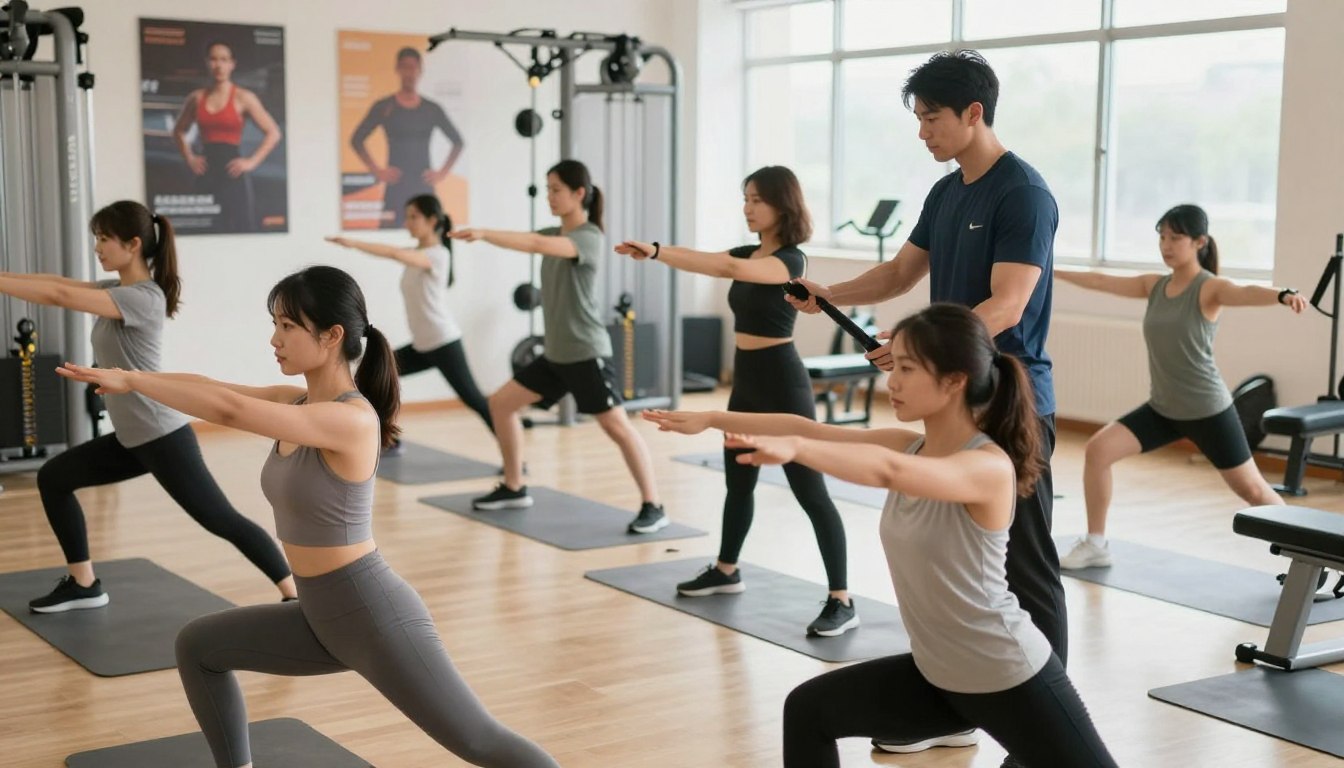
Nearly 50 percent of individuals who begin new exercise routines quit within six months. This frequently occurs because people push too hard or lack structured plans. Learning about starting a fitness journey safely is the best method to ensure your long-term success.
Changing your lifestyle feels exciting yet overwhelming. You might worry about doing exercises wrong or getting hurt. This beginner fitness guide offers expert tips to help you move with confidence.
We want you to feel empowered every time you step into the gym. Success is not just about speed; it is about consistency and smart choices. By following professional advice, you can avoid common pitfalls and enjoy getting healthy.
Key Takeaways
- Establish clear goals to maintain focus.
- Prioritize proper form over heavy weights.
- Listen to your body to prevent injury.
- Stay consistent with manageable workout schedules.
- Consult professionals for personalized advice.
- Celebrate small victories during your transformation.
Assess Your Current Fitness Level and Health Status
To start your fitness transformation safely, you first need to assess where you currently stand in terms of health and fitness. This initial assessment is crucial for creating a personalized fitness plan that suits your needs and goals.
Schedule a Pre-Exercise Medical Consultation
Before beginning any new exercise program, it’s highly recommended to consult with a healthcare professional. This step is particularly important for individuals with pre-existing health conditions or concerns.
When Medical Clearance Is Essential
Medical clearance is necessary for individuals with certain health conditions, such as heart disease, diabetes, or those who have been sedentary for a long time. It’s always better to err on the side of caution when it comes to your health.
What to Discuss with Your Doctor
During your consultation, discuss your plans for increasing physical activity, any medications you’re taking, and any health concerns you have. As the American Heart Association suggests, “Before starting any new exercise program, people with cardiovascular disease should consult their healthcare provider to determine the most appropriate type and level of exercise.”
“Exercise is a vital component of a healthy lifestyle, but it must be approached safely, especially for those with health concerns.”
Conduct a Basic Fitness Self-Assessment
A self-assessment can help you understand your current fitness level. This involves evaluating different components of your fitness.
Test Your Cardiovascular Endurance
You can test your cardiovascular endurance by performing a simple walking test or using a heart rate monitor during exercise. This will give you an idea of your heart’s efficiency in delivering oxygen to your muscles.
Evaluate Your Strength and Flexibility
Assess your muscular strength by performing simple exercises like push-ups or squats. For flexibility, try simple stretches to gauge your range of motion. Remember, flexibility and strength are key components of overall fitness.
Identify Your Physical Limitations and Past Injuries
Understanding your physical limitations and any past injuries is vital for designing a safe and effective workout plan. This knowledge will help you avoid exercises that could exacerbate existing conditions or lead to new injuries.
By taking these steps, you’ll be well-prepared to start your fitness journey on a safe and informed note.
Set Realistic and Measurable Fitness Goals
To achieve a lasting fitness transformation, it’s essential to establish realistic and measurable objectives. This foundational step ensures that your journey is guided by clear targets, making it easier to stay motivated and track progress.
Define Your Primary Fitness Objectives
Understanding what you want to achieve is the first step in creating an effective fitness plan. Your primary fitness objectives could range from weight loss and muscle building to overall health improvement.
Weight Loss Versus Muscle Building Goals
Deciding between weight loss and muscle building goals depends on your current fitness level and what you feel is most important for your health and well-being. Weight loss often involves reducing body fat, while muscle building focuses on increasing muscle mass.
- Weight loss goals are ideal for those looking to reduce their body fat percentage.
- Muscle building goals are suited for individuals aiming to increase their muscle mass and strength.
Health Improvement Targets
Improving overall health is a broad yet significant goal. It can include enhancing cardiovascular health, increasing flexibility, or boosting endurance. Setting specific health improvement targets helps in creating a focused workout plan.
Create SMART Goals for Your Journey
SMART is an acronym that stands for Specific, Measurable, Achievable, Relevant, and Time-bound. Creating SMART goals ensures that your fitness objectives are clear and attainable within a set timeframe.
Make Your Goals Specific and Time-Bound
Specific goals clearly define what you want to achieve, while time-bound goals ensure you have a deadline to work towards. For example, “I want to lose 10 pounds in the next 3 months” is a specific and time-bound goal.
Ensure Your Targets Are Achievable
It’s crucial that your fitness goals are realistic and achievable based on your current fitness level and lifestyle. Setting unachievable goals can lead to discouragement and abandonment of your fitness journey.
Establish Short-Term Milestones
Breaking down your long-term goals into short-term milestones makes the journey less daunting and allows for regular celebration of progress. These milestones should also be SMART to ensure they are effective stepping stones towards your ultimate goal.
- Identify your long-term fitness goal.
- Break it down into smaller, manageable milestones.
- Create a plan to achieve each milestone.
By following these steps and maintaining a commitment to your goals, you can ensure a successful and rewarding fitness journey.
Starting a Fitness Journey Safely: Essential Steps and Precautions
Safety should always be your top priority when starting a new fitness regimen, and there are several key steps you can take to minimize the risk of injury.
To ensure a safe and effective fitness journey, it’s crucial to be mindful of several factors, from the gear you use to how you listen to your body. By following a few essential steps, you can significantly reduce the risk of injury and set yourself up for long-term success.
Invest in Proper Workout Gear and Supportive Footwear
Having the right equipment is fundamental to a safe and effective workout. This includes both your attire and footwear.
Choose Activity-Specific Shoes
Selecting the right shoes for your workout is crucial. Different activities require different types of footwear. For example, running shoes are designed to absorb the impact of each step, while cross-trainers offer lateral support for activities that involve side-to-side movements. Investing in activity-specific shoes can help prevent injuries by providing the necessary support and cushioning.
Select Breathable and Comfortable Clothing
Wearing the right clothing can also enhance your workout experience. Opt for breathable, moisture-wicking fabrics that keep you cool and dry. Comfortable clothing that allows for a full range of motion is essential for preventing chafing and irritation. Consider the type of activity you’ll be doing and dress accordingly.
Master Correct Form and Technique Before Increasing Intensity
Proper form and technique are vital for getting the most out of your workout while minimizing the risk of injury. There are several ways to ensure you’re using the correct form.
Work with a Certified Personal Trainer
A certified personal trainer can provide personalized guidance on proper form and technique. They can help you develop a workout routine that’s tailored to your goals and abilities. A good trainer will also be able to correct any bad habits and provide feedback on your progress.
Use Mirrors and Video Recording
Using mirrors or recording yourself during a workout can help you identify any issues with your form. This visual feedback allows you to make adjustments in real-time, ensuring that you’re performing exercises correctly. Pay attention to your posture, alignment, and movement patterns.
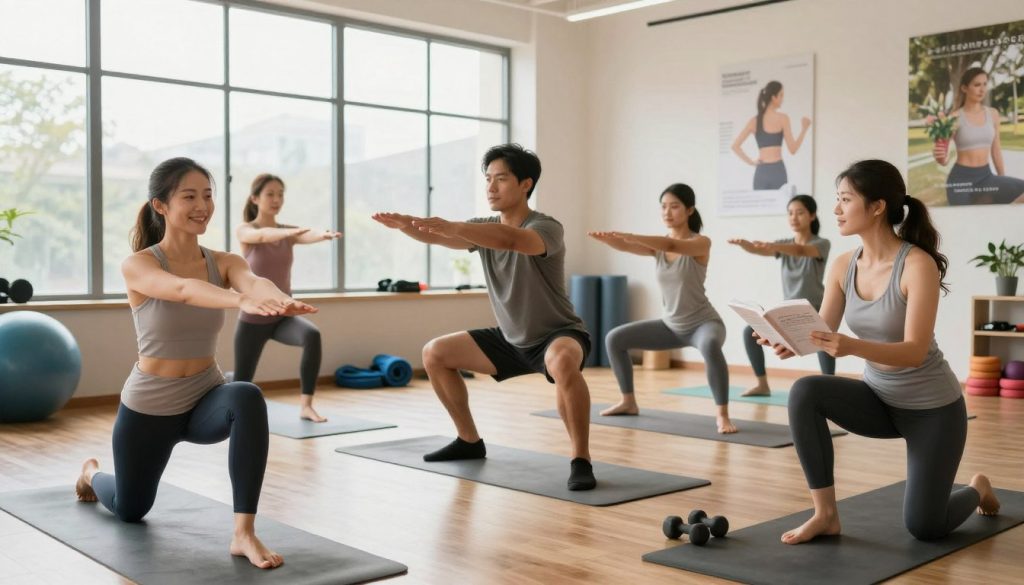
Bodyweight exercises are an excellent way to build strength and master proper form without the added risk of using weights. Exercises like push-ups, squats, and lunges can help you develop a strong foundation. As you become more confident in your form, you can gradually introduce weights or more challenging variations.
Begin with Low-Intensity Activities
Starting with low-intensity activities allows your body to adapt to the new demands you’re placing on it. This approach reduces the risk of overtraining and injury.
Apply the Talk Test Method
The talk test is a simple way to gauge the intensity of your workout. If you can still hold a conversation, you’re likely working at a moderate intensity. If you’re too out of breath to speak, it’s time to dial it back.
Follow the Ten Percent Rule
When increasing the intensity or duration of your workouts, follow the ten percent rule. This means not increasing your workout by more than 10% each week. This gradual progression allows your body to adapt without excessive strain.
Implement Proper Warm-Up and Cool-Down Routines
Warm-up and cool-down routines are essential for preparing your body for exercise and aiding in recovery.
Dynamic Stretching for Warm-Ups
Dynamic stretching involves moving your joints through a range of motion while keeping your muscles active. Examples include leg swings, arm circles, and hip rotations. Dynamic stretching can help increase blood flow and reduce muscle stiffness.
Static Stretching for Cool-Downs
Static stretching involves holding a stretch for a period of time. This type of stretching is best done after your workout, when your muscles are warm. Static stretches can help improve flexibility and reduce muscle soreness.
Listen to Your Body and Recognize Warning Signs
Your body is your best guide when it comes to knowing when to push yourself and when to hold back. Recognizing the difference between normal discomfort and pain is crucial.
Distinguish Between Discomfort and Pain
While some discomfort is normal during exercise, pain is a warning sign that something is wrong. Learn to listen to your body and stop if you experience sharp or persistent pain.
Know When to Stop Exercising
If you experience dizziness, nausea, or severe pain, stop exercising immediately. It’s better to err on the side of caution and rest rather than risking further injury.
Choose the Right Beginner-Friendly Exercises
To achieve your fitness goals, it’s vital to begin with exercises that are tailored to your fitness level and preferences. This ensures a safe, enjoyable, and sustainable fitness journey. Beginner-friendly exercises are designed to be low-risk, easy to learn, and effective in building a foundation for more advanced workouts.
Cardiovascular Activities for Beginners
Cardiovascular exercises are essential for improving heart health, boosting metabolism, and burning calories. For beginners, it’s crucial to start with activities that are easy on the joints and can be gradually intensified.
Walking and Brisk Walking Programs
Walking is a great starting point for cardiovascular exercise. It’s low-impact, accessible, and can be done almost anywhere. Brisk walking adds an intensity boost, helping to improve cardiovascular health more effectively.
Swimming and Water Aerobics
Swimming and water aerobics are excellent options for those who prefer low-impact exercises or have joint issues. They provide a full-body workout while minimizing stress on the joints.
Cycling and Stationary Biking
Cycling, whether on a stationary bike or outdoors, is another effective cardiovascular exercise. It’s easy on the joints and can be adjusted to various intensity levels.
Strength Training Basics for Newcomers
Strength training is vital for building muscle, enhancing bone density, and improving overall physical strength. Beginners should start with exercises and equipment that are easy to learn and use.
Bodyweight Exercises to Master First
Bodyweight exercises such as push-ups, squats, and lunges are excellent for beginners. They require no equipment and help build foundational strength.
Introduction to Resistance Bands
Resistance bands are lightweight, portable, and versatile. They provide an effective way to strength train without the need for heavy equipment.
Light Dumbbell Workouts
Light dumbbells are another great tool for strength training. They allow for a variety of exercises that can be done at home or in the gym.
Flexibility and Mobility Work
Flexibility and mobility exercises are crucial for maintaining range of motion, preventing injuries, and enhancing overall fitness.
Beginner Yoga Poses
Yoga is an excellent way to improve flexibility and balance. Beginner poses such as downward-facing dog and warrior poses are great starting points.
Basic Stretching Routines
Basic stretching routines can be incorporated into daily life, improving flexibility and reducing muscle tension.
Low-Impact Exercise Options for Joint Protection
For individuals with joint concerns or chronic pain, low-impact exercises are a safe and effective way to stay active.
- Swimming and water aerobics
- Cycling and stationary biking
- Elliptical trainer workouts
These exercises minimize stress on the joints while providing an effective workout.
Build a Sustainable Weekly Workout Schedule
A balanced and sustainable weekly workout schedule is the foundation of a successful fitness plan. To achieve your fitness goals, it’s essential to create a routine that you can maintain in the long term, incorporating safe fitness routines that minimize the risk of injury.
Determine Your Optimal Training Frequency
Finding the right balance in your workout frequency is crucial. It depends on your current fitness level, goals, and lifestyle.
Start with Three Days Per Week
For beginners, starting with three days per week is often recommended. This allows your body to adapt to the new demands you’re placing on it. For example, you might start with Monday, Wednesday, and Friday, giving you a rest day in between. This is a great way to begin your beginner fitness guide journey.
Gradually Increase Training Days
As your body adapts, you can gradually increase the number of training days. Listen to your body and only add more days when you feel you can recover adequately between sessions.
Balance Different Types of Exercise
A well-rounded fitness routine includes a mix of different exercise types. This not only helps prevent boredom but also ensures you’re working on various aspects of your fitness.
Combine Cardio and Strength Training
Cardio exercises, such as running or cycling, improve heart health and burn calories. Strength training, on the other hand, builds muscle and boosts metabolism. A combination of both is key to a balanced fitness routine.
Include Flexibility Work
Incorporating flexibility exercises, like yoga or stretching, can improve your range of motion and reduce the risk of injury. It’s an often-overlooked aspect of fitness that is crucial for overall health.
Sample Weekly Schedule for Beginners
Here’s a sample schedule: Monday (Cardio), Wednesday (Strength Training), and Friday (Flexibility and Mobility). As you progress, you can add more days or intensity to your workouts.
Plan for Adequate Rest and Recovery Days
Rest and recovery are just as important as the workouts themselves. Your body needs time to repair and strengthen your muscles.
Importance of Sleep for Fitness Progress
Adequate sleep is crucial for recovery. Aim for 7-9 hours of sleep per night to help your body repair and adapt to the demands you’re placing on it.
Active Recovery Options
On rest days, consider tips for safe exercising like light walking or gentle yoga. These activities promote blood flow and can aid in recovery without putting too much strain on your body.
Track Your Progress and Adjust Your Plan
Monitoring your progress is vital to understanding what works and what doesn’t. Be prepared to make adjustments to your workout schedule as needed.
Use Fitness Apps and Journals
Tools like fitness apps or workout journals can help you track your workouts, set reminders, and monitor your progress over time.
When to Increase Workout Intensity
If you find your workouts becoming too easy, it might be time to increase the intensity. This could mean adding more weight, reps, or sets, or decreasing rest time between exercises.
Conclusion
Starting a fitness journey safely is a crucial step towards achieving your health and wellness goals. By assessing your current fitness level, setting realistic objectives, and adopting a gradual and well-structured approach, you can minimize the risk of injury and maximize your progress.
Getting started with fitness safely involves investing in proper gear, mastering correct form and technique, and balancing different types of exercises. As you progress, it’s essential to track your achievements and adjust your plan accordingly. With persistence and patience, you can successfully reach your fitness milestones.
By following the guidelines outlined in this article, you’re well on your way to a successful fitness transformation. Take the first step today, and move closer to a healthier, more active you.